Total Hysterectomy
Removal of the entire uterus and cervix, commonly recommended for fibroids, adenomyosis, or abnormal bleeding unresponsive to treatment.
For three decades, Dr. Preeti Jindal has watched women across Punjab and Chandigarh wrestle with fibroids, endometriosis, and prolapse before finally choosing hysterectomy. Today's minimally invasive robotic surgery rewrites that fear into confidence, informed decisions, and genuine relief.
At The Touch Clinic, Mohali, our patients receive guidance built on skilled surgeons, state-of-the-art facilities, and effective treatment - because safe, cost-effective care shouldn't feel like a last resort, but a first choice.
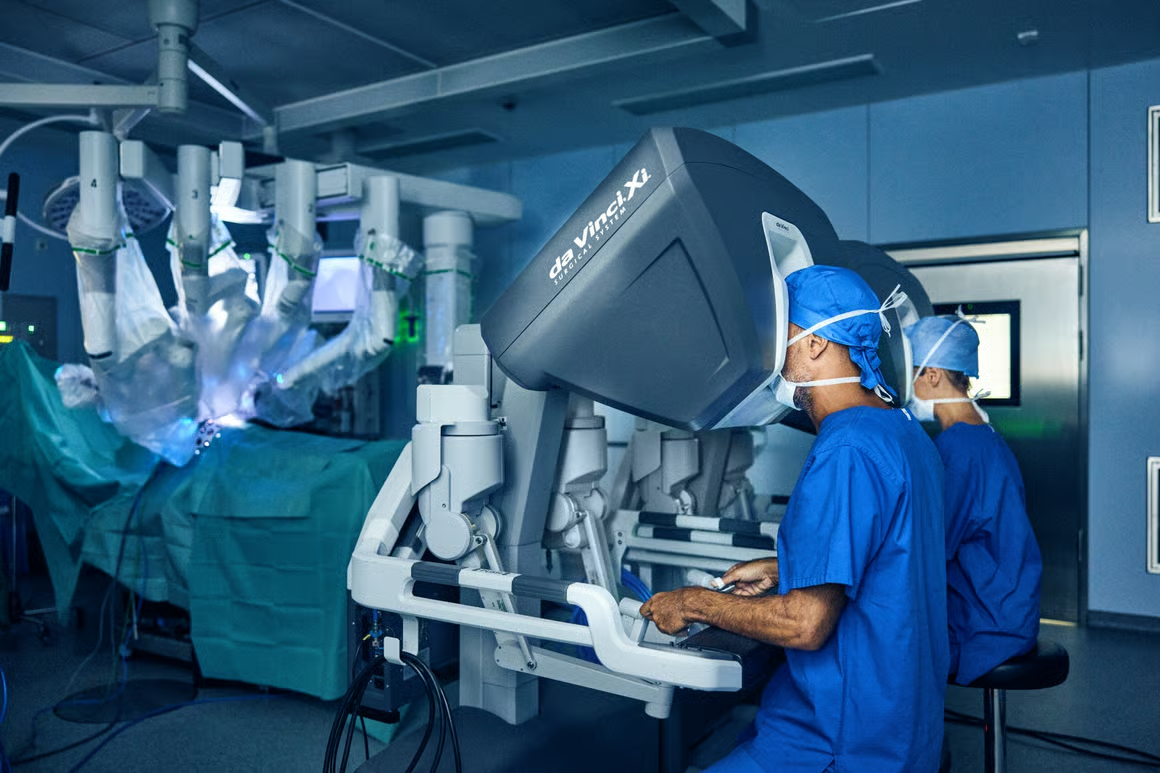
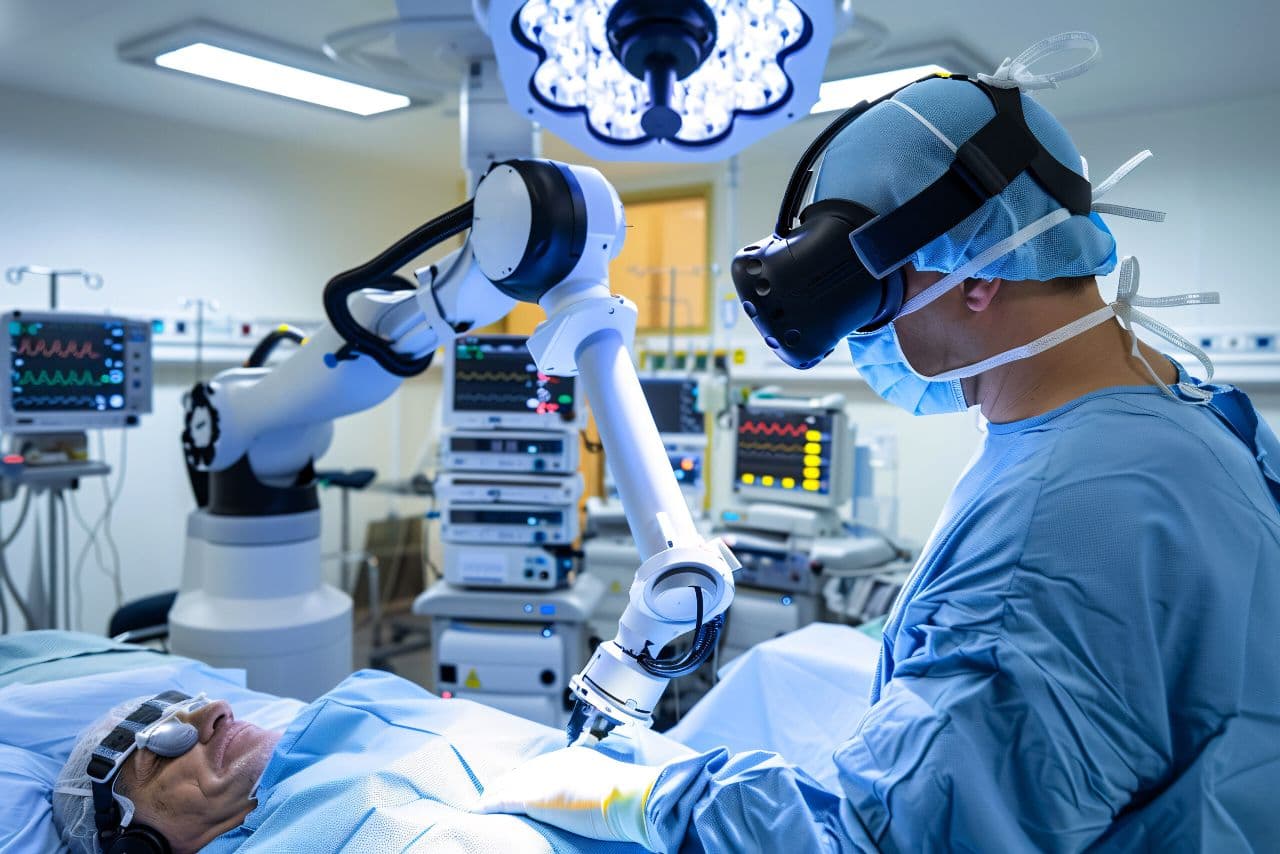
The robotic surgical system integrates a surgeon console, HD camera, and robotic arms fitted with surgical instruments, guided by a computer system offering real-time control, feedback mechanism, and precise operational process throughout the procedure.
Robotic hysterectomy is minimally invasive surgical removal of the uterus using da Vinci Xi system technology through keyhole surgery, replacing large cuts with small incisions, magnified 3D view, and human wrist precision.
Robotic hysterectomy offers smaller incisions, less blood loss, and greater precision than traditional open surgery. Patients typically experience faster recovery, reduced post-operative pain, and shorter hospital stays, making it a preferred choice for gynaecological procedures today.
There are several surgical approaches to hysterectomy, and the right one depends on the extent of removal needed, your diagnosis, and overall health. Each type can be performed robotically for greater precision.
Removal of the entire uterus and cervix, commonly recommended for fibroids, adenomyosis, or abnormal bleeding unresponsive to treatment.
Removes the uterus while preserving the cervix, sometimes chosen for faster recovery and reduced surgical extent.
A more extensive procedure removing the uterus, cervix, and surrounding tissue, typically performed for gynaecological cancers.
Removal of the fallopian tubes and ovaries alongside hysterectomy, often advised for ovarian cysts or cancer risk reduction.
A hysterectomy is often recommended for fibroids, adenomyosis, prolapse, or abnormal bleeding that hasn't responded to other treatments. Gynaecological cancers and chronic pelvic infection are also common causes, especially when non-surgical options no longer help.
Persistent heavy or abnormal bleeding unresponsive to medication
Large or multiple fibroids causing pain or pressure
Endometriosis or adenomyosis with severe, ongoing symptoms
Uterine or cervical prolapse affecting daily comfort
Suspected or confirmed gynaecologic cancers requiring surgical removal
The da Vinci Xi system translates the surgeon's hand movements at the surgeon console into precise, tremor-free motion, giving a magnified 3D view through small incisions for greater control throughout the procedure.
Patient is given general anaesthesia, positioned, and prepared with standard preoperative planning and safety checks.
A few small incisions are made in the abdomen for the HD camera and robotic arms.
The surgeon operates from the console, guiding wristed instruments with real-time control and enhanced precision.
The uterus is carefully detached and removed through one incision, followed by closure of all access points.
Patients are moved to recovery for postoperative care, with most going home within 24 hours.
Most patients begin light movement within 24 hours of surgery, with shorter hospital stays compared to open surgery. Post-operative pain is typically much less, managed with mild painkillers rather than stronger medication.
Full recovery usually falls between 2 – 4 weeks, depending on individual health and the type of surgery performed. Patients can gradually resume daily activities, with most returning to normal routines and work within this recovery timeline.
As with any major gynaecological procedure, robotic hysterectomy carries certain risks. While complications are uncommon under Dr. Preeti Jindal's experienced surgical team, patients should be aware of them before proceeding with surgery. Dr. Preeti Jindal will discuss risks specific to your health history and procedure during your initial consultation, so you fully understand what applies to your case before surgery.

Dr. Preeti Jindal is a highly respected obstetrician, gynaecologist, and infertility specialist, known for combining clinical excellence, advanced technology, and empathetic care at The Touch Clinic in Mohali.
With 30+ years of experience in women's health, she delivers personalised obstetric, gynaecological, IVF, and robotic surgery care with compassion and clinical precision, guiding every patient through informed decisions.
Extensive experience across obstetrics, gynaecology, and infertility care
Skilled in advanced robotic surgical techniques and minimally invasive procedures
Patient-centered approach with personalized treatment plans
Practises at The Touch Clinic, Mohali
Focus on clear communication, ongoing support, and follow-up care
Find clear, expert answers regarding . Clarity and comfort are our top priorities.
Can't find the answer you're looking for? Our medical team is here to help clarify any doubts.
Living with fibroids, prolapse, or abnormal bleeding doesn't have to be your normal. Book a consultation with Dr. Preeti Jindal to discuss whether robotic hysterectomy is right for you.