1. Conventional IVF
Eggs and sperm are combined in the laboratory, and the resulting embryos are monitored before the best one is transferred to the uterus.
Most couples arrive believing IVF is a last resort, yet unexplained infertility, PCOS, or low egg count often surface earlier. A fertility evaluation and honest, timely support usually change that story before hormone injections begin.
With three decades in obstetrics, Dr. Preeti Jindal guides couples through ovarian stimulation, egg retrieval, and embryo transfer at The Touch Clinic in Mohali, keeping personalized treatment plans grounded in medical history rather than trends.
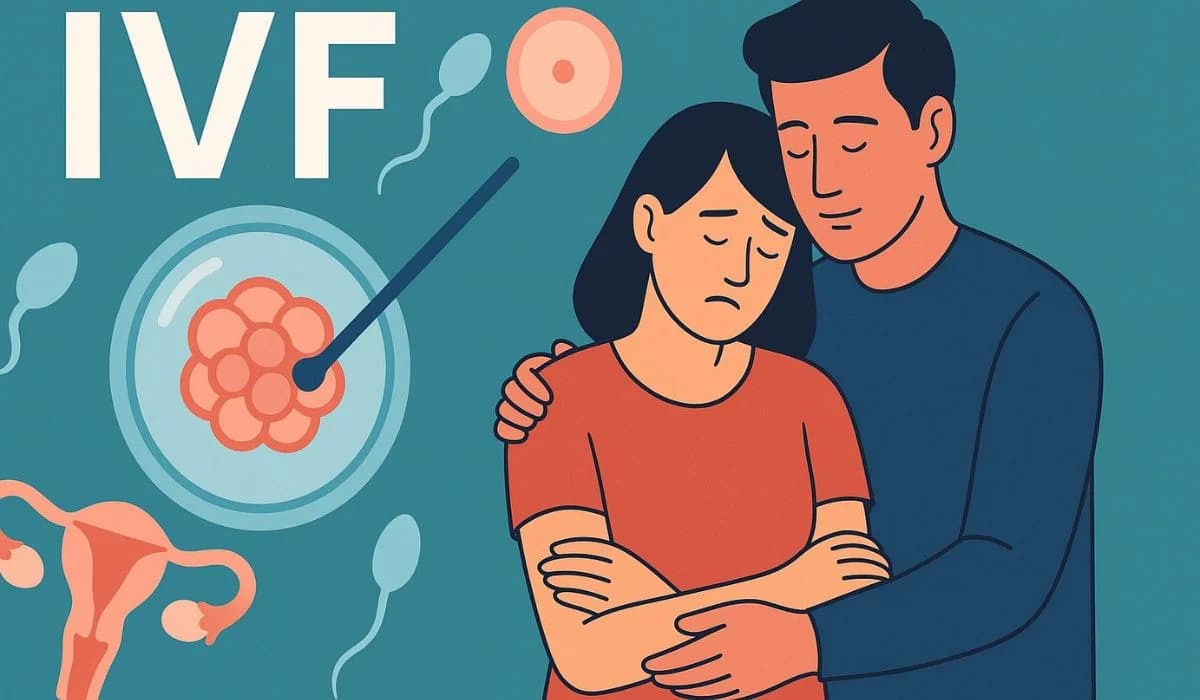
Patients fear hormone injections, yet the beta hCG test wait feels harder. A reproductive endocrinologist tracks endometrial lining thickness and the implantation window while closely watching for early ovarian hyperstimulation syndrome (OHSS) or multiple pregnancy.
In my practice, IVF is a form of Assisted Reproductive Technology (ART) where egg retrieval and sperm collection lead to laboratory fertilization, then embryo culture until the blastocyst stage, before anything returns to the uterus.
IVF is not a single procedure. It is a set of treatments that can be combined and adjusted for each couple, depending on age, diagnosis, ovarian reserve and previous treatment history.
Eggs and sperm are combined in the laboratory, and the resulting embryos are monitored before the best one is transferred to the uterus.
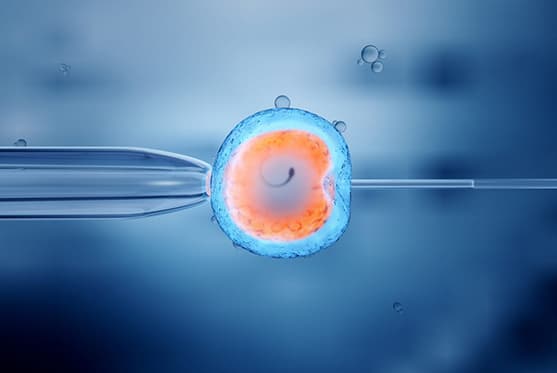
A single healthy sperm is injected directly into each egg, which is often recommended for low sperm count, poor motility or earlier fertilisation failure.
Spare healthy embryos are frozen and transferred in a later cycle, avoiding repeat stimulation and allowing the uterine lining to be prepared carefully.
Embryos are grown for five to six days in the laboratory, so the best-developed blastocyst can be selected for transfer.
Selected embryos are tested for chromosomal abnormalities before transfer. It is suggested only where age, history or previous losses make it appropriate.
Eggs or embryos are frozen and stored for future use, helping patients preserve fertility for medical reasons or planned delay in family building.
Every fertility journey looks different, and identifying the exact condition first is what shapes a truly effective, personalized treatment plan.
Blocked fallopian tubes remain the most straightforward reason I recommend IVF - fertilization happens outside the body entirely, so a damaged or scarred tube stops being the obstacle it once was.
Irregular ovulation caused by PCOS often does not respond to timed intercourse alone. IVF gives direct control over ovarian stimulation, and carefully adjusted doses help lower the risk of ovarian hyperstimulation syndrome (OHSS).
Male infertility, such as a low sperm count or poor sperm motility, is often wrongly assumed to be only the woman's concern. Combining IVF with ICSI allows a single healthy sperm to be injected directly into an egg, so fertilization is still possible even when the count is low.
Unexplained infertility frustrates couples more than any diagnosis, honestly, because there's no clear villain to treat - IVF sidesteps that uncertainty by handling fertilization under observation instead of guessing at the cause.
Egg quality declines well before most women expect it to, and a low egg count on testing is usually the first real signal that maternal age has started working against natural conception.
Couples who've faced repeated IVF failures, a recurrent implantation failure, or recurrent pregnancy loss after failed IUI attempts need a different protocol, not a repeat of the same one - that's the second-opinion conversation I have most often.
Beyond helping couples conceive, IVF offers precision, flexibility and safeguards that natural conception simply cannot match at every stage.
IVF follows a set sequence of steps, though every couple's experience is a little different. Some people call it the "test tube baby" method, but each stage is closely monitored, from the first injection to the pregnancy test. Here is what to expect during IVF treatment in Mohali.
Treatment often opens with ovulation induction, guided closely by a reproductive endocrinologist who adjusts medications daily based on individual hormonal response and monitoring.
Once follicles mature, eggs are collected under sedation using ultrasound guidance, a quick outpatient step most patients tolerate well.
Sperm collection happens the same day, followed by laboratory fertilization. A semen analysis beforehand helps decide between standard IVF and ICSI.
Fertilised eggs undergo blastocyst culture for several days, with embryo monitoring, genetic screening (PGT-A), and assisted hatching improving selection accuracy before transfer.
The best-graded blastocyst is transferred into a prepared endometrial lining. Any spare embryos can be frozen for a later frozen embryo transfer (FET) cycle.
Roughly two weeks later, a beta hCG test confirms pregnancy past the implantation window, while early IVF pregnancy symptoms and multiple pregnancy risk are discussed openly.
IVF success rate depends mainly on age. Women under 35 generally have higher chances per cycle, while those in their late 30s and beyond may need more than one cycle or a different approach. Embryo quality, the cause of infertility, weight and smoking also affect results.
At The Touch Clinic, an IVF centre in Mohali close to Chandigarh, Dr. Preeti Jindal reviews your age, test results and medical history before giving you a realistic estimate of your chances.

Dr. Preeti Jindal trained at PGI Chandigarh and St. Mary's Hospital London and has three decades of experience in obstetrics and gynaecology. As a fertility specialist in Mohali, she builds each treatment plan around the couple's medical history, test results and goals.
At The Touch Clinic in Mohali, IVF, IUI and ICSI are available under one roof, so couples can move between treatments without changing clinics.
Three decades of experience across PGI Chandigarh, St. Mary's Hospital London and Fortis Hospital Mohali, where she was a senior consultant.
Founder and Director of The Touch Clinic, Mohali, since 2013.
Past President of the Mohali Obstetrics & Gynaecology Society.
IVF, IUI, ICSI, robotic surgery and cosmetic gynaecology offered by one team.
Find clear, expert answers regarding . Clarity and comfort are our top priorities.
Can't find the answer you're looking for? Our medical team is here to help clarify any doubts.
Take the first step toward parenthood. Schedule a consultation with Dr. Preeti Jindal and experience personalized fertility care with proven clinical expertise.