Robotic Gynecologic Surgery in Chandigarh
Some women assume robotic surgery means a machine decides, yet the surgeon controls every move from a computer console. That gap in understanding can delay consultation for fibroids or ovarian cysts.
"Dr. Preeti Jindal, with 30+ years of experience, offers robotic gynecologic surgery at The Touch Clinic, Mohali, near Chandigarh, pairing precise technique with a patient-centered approach. Under her guidance, keyhole-sized cuts, less pain and quicker recovery are often realistic expectations for women choosing minimally invasive treatment in suitable cases."
What Is Robotic Gynecologic Surgery?
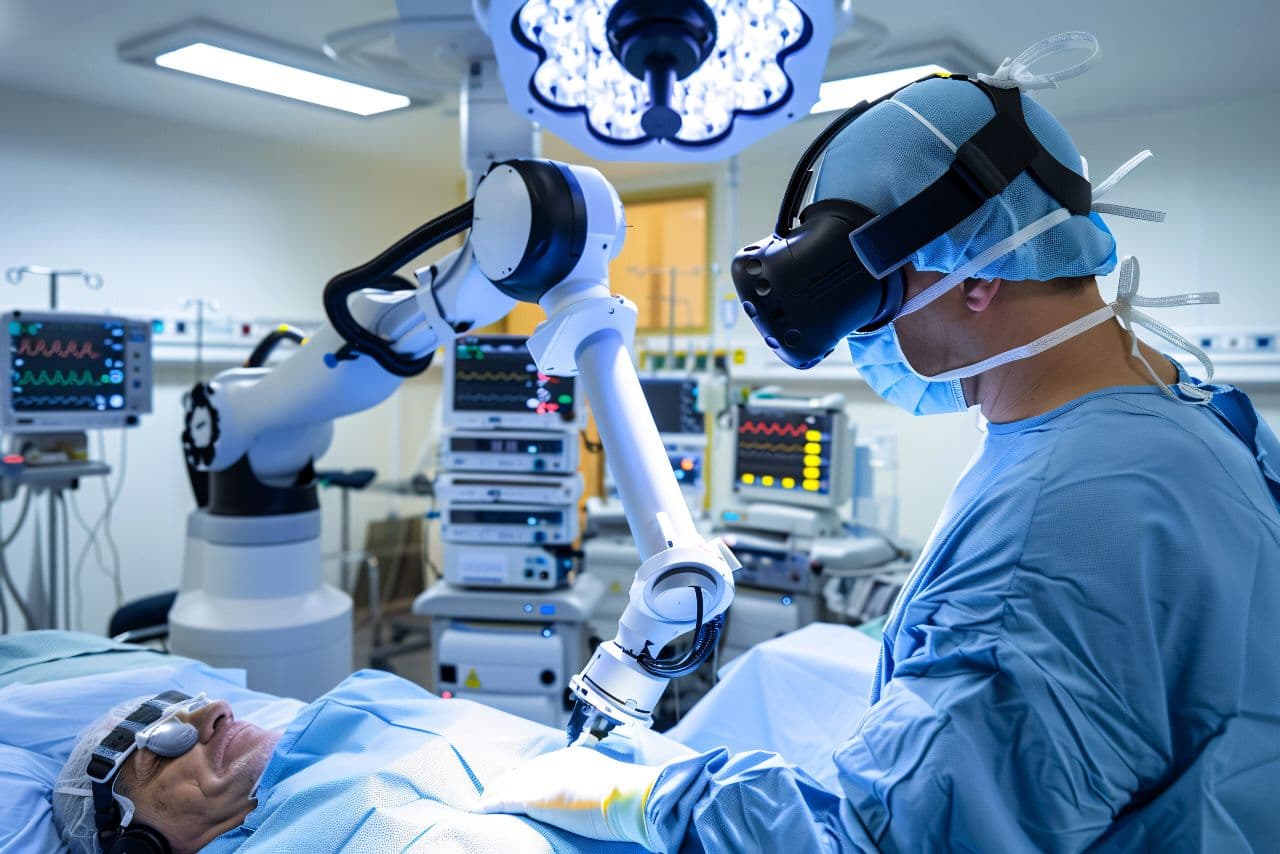
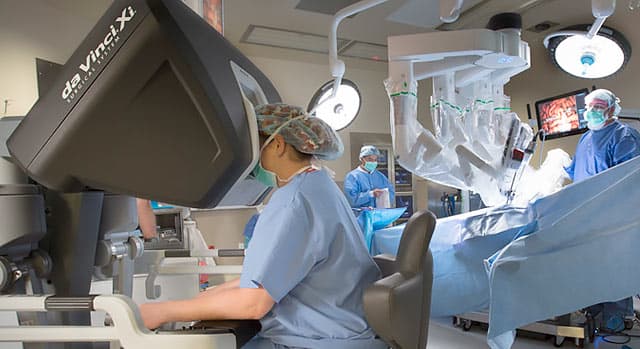
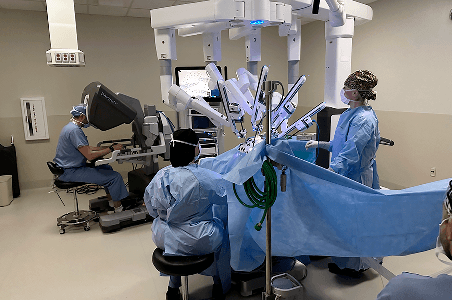
Robotic gynecologic surgery is minimally invasive care where the surgeon sits at a computer console and guides robotic arms through small incisions. The robotic system never acts alone; it only follows every deliberate hand movement.
Compared with traditional open surgery, the camera gives a full, magnified 3D view, while flexible instruments reach deep into the pelvis, so nearby tissue may be handled more gently.
Conditions That May Be Treated With Robotic Gynecologic Surgery
Uterine Fibroids
Fibroids can cause heavy periods, pelvic pressure or pain. Surgery is usually considered when symptoms persist or affect daily life, and treatment options are reviewed after evaluation.
Endometriosis
Endometriosis may cause painful periods, pelvic pain or fertility concerns. Surgery is considered when medication hasn't helped enough or when deposits and cysts need removal.
Adenomyosis
Adenomyosis thickens the uterine wall and can cause heavy or painful periods. After evaluation, Dr. Jindal recommends surgery or conservative options based on your symptoms and goals.
Ovarian Cysts
Many ovarian cysts resolve on their own. Surgery is considered when a cyst is persistent, large or painful, or when scans suggest it needs closer attention.
Pelvic Organ Prolapse
When pelvic organs descend, women may feel pressure, heaviness or urinary problems. Surgery may be considered when symptoms affect daily life and non-surgical measures aren't enough.
Pelvic Adhesions
Pelvic adhesions can bind organs together and may cause ongoing pelvic pain. Surgery is considered when pain or related problems persist despite other measures.
Recovery After Robotic Gynecologic Surgery
A shorter hospital stay, sometimes one to two days, suits some patients, yet longer recovery happens too. Working professionals and elderly patients heal differently, so post-surgery care and monitoring matter more than any fixed calendar.
Hospital stay varies by procedure and depends on your general health and how the operation goes.
Activity restrictions vary, so ask what lifting, driving and exercise are safe for you, and when.
Follow-up is important, because it lets your treating specialist check healing and answer questions early.
Recovery time differs from patient to patient, so avoid comparing your progress with anyone else's.
Follow your surgeon's postoperative instructions on wound care, medication and warning signs.
Robotic Surgery vs Traditional Gynecologic Surgery
The surgeon sits at a computer console while robotic arms hold flexible instruments steady, and a 3D camera gives a magnified view. Blood loss and recovery still vary by patient.
| Factor | Robotic SurgeryRecommended | Traditional Open Surgery |
|---|---|---|
| Scarring | Small, less noticeable marks | Longer, more visible scar |
| Post-Surgery Pain | Often less discomfort, sometimes lighter pain medication | Often more pain, longer medication use |
| Infection Risk | Smaller incisions are associated with lower wound-infection rates in many studies | Larger wound, so wound infection is more likely |
| Tissue Handling | Less disruption to surrounding tissue | More handling and retraction of tissue |
| Best Suited For | Fibroids, endometriosis and hysterectomy in suitable cases | Very large masses, extensive disease or emergencies |
Common Robotic Gynecologic Procedures
Robotic gynecologic surgery suits several gynecologic conditions, though eligibility always rests on a specialist's evaluation after careful consultation, not on the technology alone.
Robotic Endometriosis Surgery
Using keyhole-sized cuts, the surgeon excises endometriosis deposits with controlled movements while sparing surrounding tissue; many women often notice less pain afterward.
Robotic Uterine Fibroid Surgery (Myomectomy)
Myomectomy removes fibroids but keeps the uterus; flexible instruments and 3D vision help the surgeon work carefully, often with less blood loss.
Robotic Uterus Removal Surgery (Hysterectomy)
Hysterectomy removes the uterus; minimal scarring and faster recovery often follow in suitable cases, and a shorter hospital stay is possible.
Robotic Ovarian Cyst Removal Surgery
For persistent ovarian cysts, cystectomy removes the cyst while preserving healthy ovarian tissue, often causing less damage and fewer complications than open surgery.
Suspected or Confirmed Gynecologic Cancer
If a gynecologic cancer is suspected or confirmed, Dr. Jindal will assess your case and, where needed, coordinate care with a gynecologic oncology team so you receive the right specialist treatment.
Additional Conditions Treated
Other uterine, ovarian or pelvic conditions may also qualify, and individual suitability is discussed during your consultation.
Why Choose Dr. Preeti Jindal for Robotic Surgery in Mohali?
Dr. (Prof.) Preeti Jindal is a Senior Consultant Obstetrician & Gynecologist and the founder and director of The Touch Clinic, Mohali. With more than 30 years of experience in gynecology, obstetrics and minimally invasive surgery, she is known for clear explanations and patient-focused care.

Specialized Expertise
What to Expect During Robotic Gynecologic Surgery
A consultation usually comes first, and questions matter as much as scans. Your customized treatment plan follows, shaped by history and tests, and every stage, from preparation to recovery, is explained clearly so nothing feels unexpected.
| Stage | Before Surgery | During Surgery | After Surgery |
|---|---|---|---|
| Main Focus | Consultation and surgical planning | Procedure performed according to the diagnosed condition | Recovery and close monitoring |
| Key Steps | Medical history review, plus imaging or diagnostic tests when required | General anesthesia and keyhole-sized cuts in the abdomen | Pain management and monitoring |
| Surgeon's Role | Reviews history and test results to plan the surgery | Controls the robotic instruments | Gives instructions specific to the procedure |
| Your Role | Shares your medical history and completes any required tests | Rests under general anesthesia | Gradually returns to normal activities and attends the follow-up appointment |
Personalized Robotic Surgery Care Near Chandigarh
You deserve attentive, tailored care. Reach out to The Touch Clinic, Mohali, and let Dr. Preeti Jindal guide you from your first consultation to follow-up and recovery.